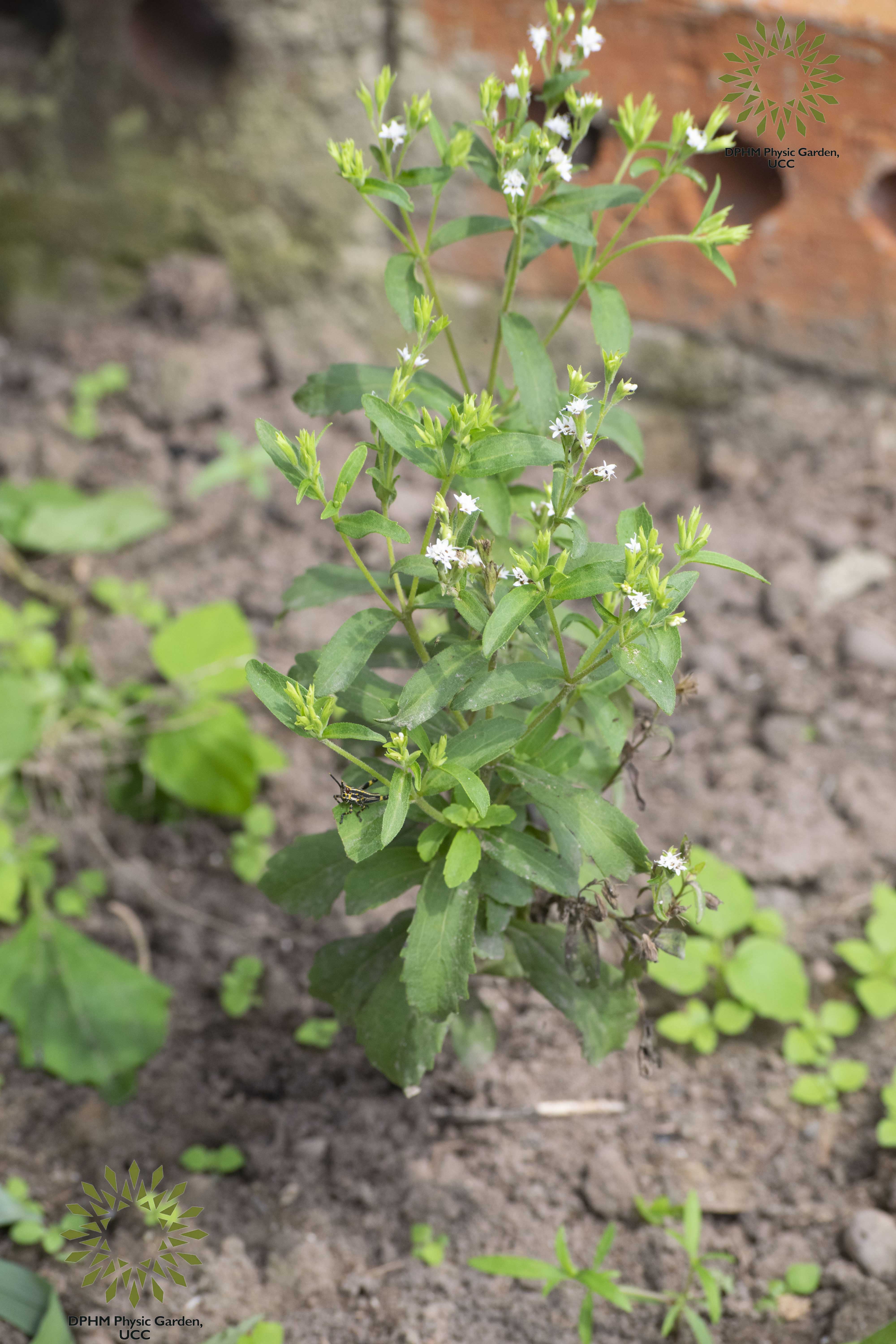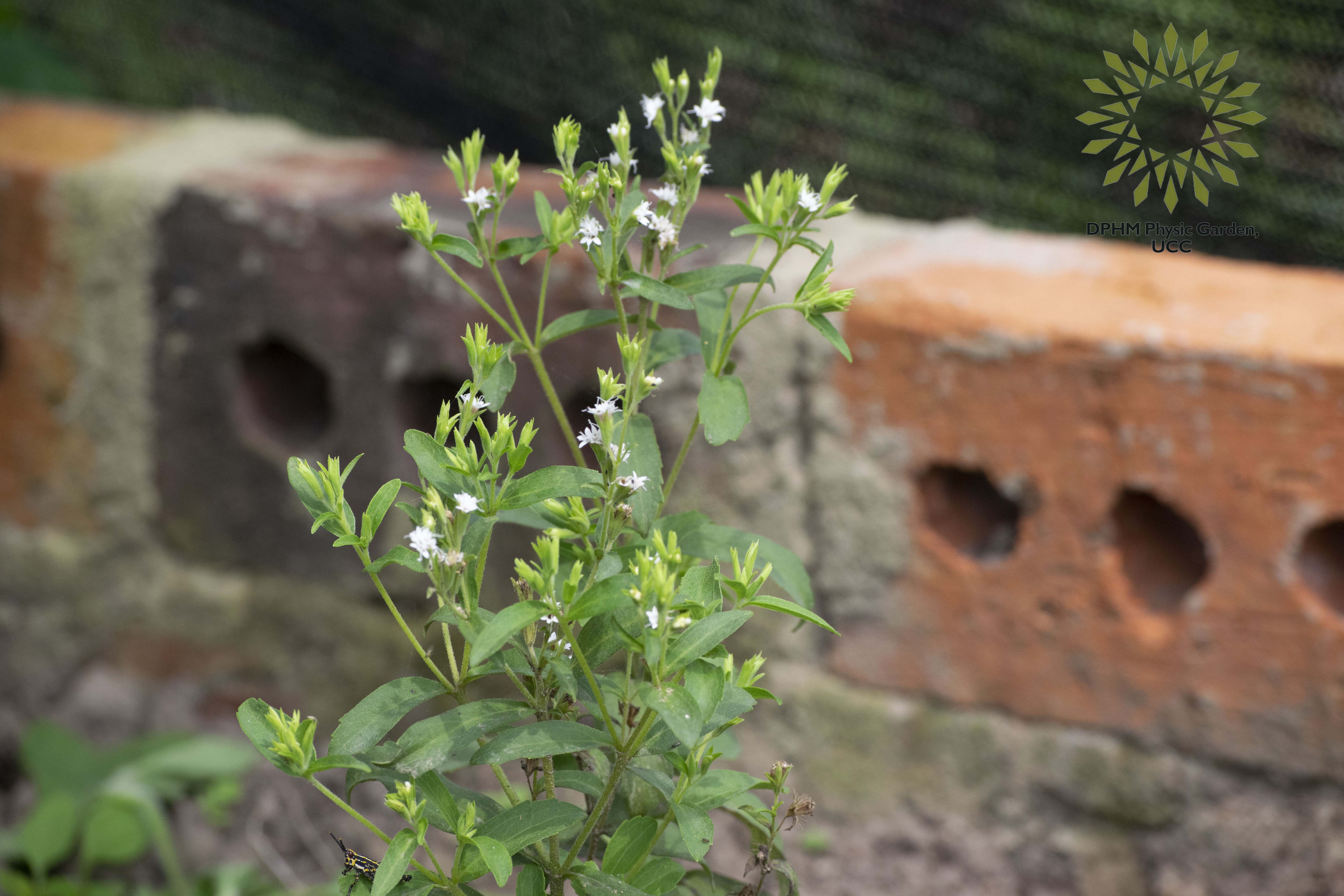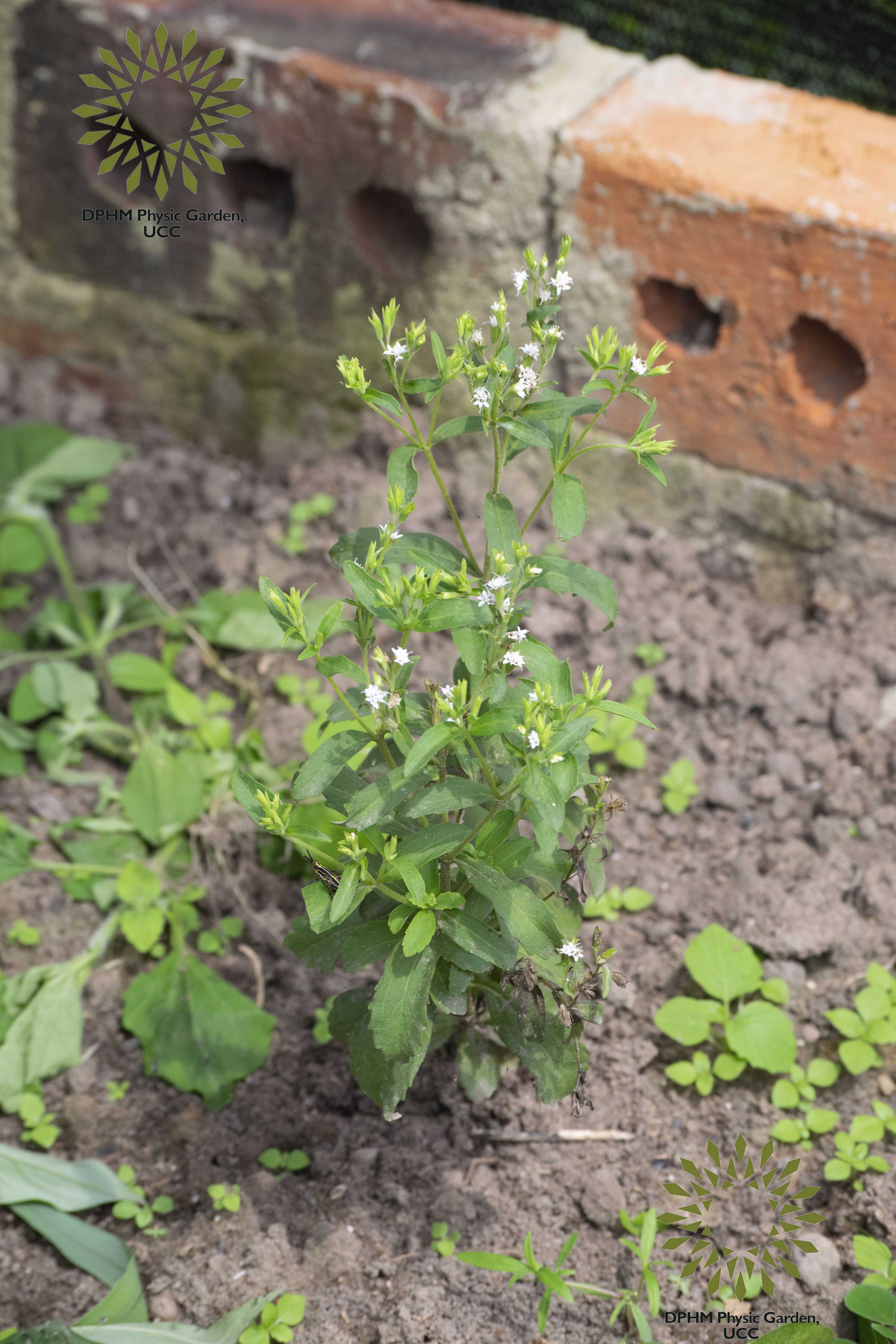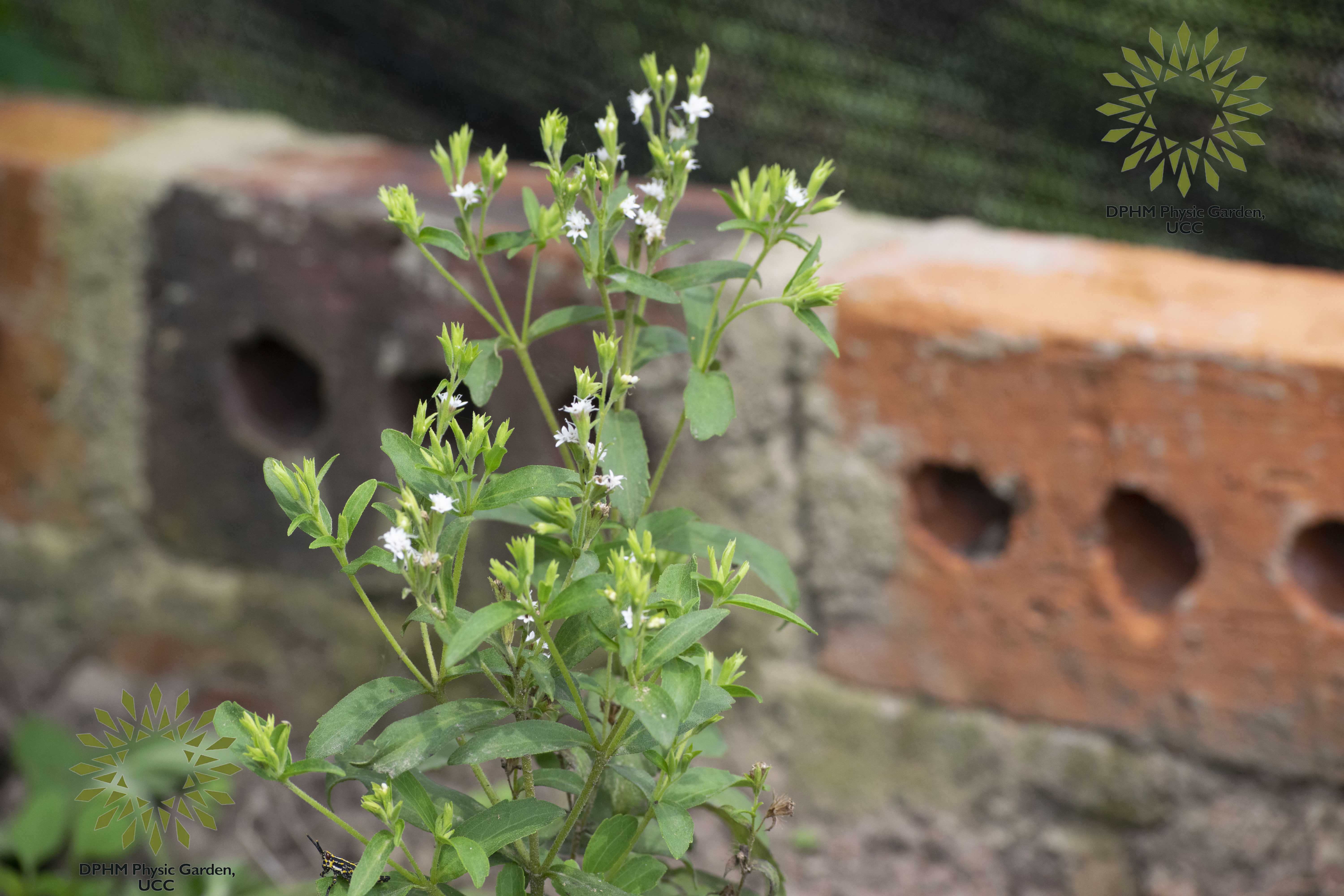
STEVIA REBAUDIANA
BOTANICAL DESCRIPTION
Stevia is a perennial herb with oblong aromatic leaves ranging from 30.5-80 cm. It produces small tubular flowers with five white petals, often removed to enhance flavour. Stevia has a loosely paniculated inflorescence with small white flowers with pale purple throats. The plant requires rich, well-drained soil and thrives in warm, humid climates. The plant has an alternate leaf arrangement with small, lanceolate to oblanceolate, oblong, serrate leaves. The plant's leaf quality varies due to environmental factors but is known for its pleasantly sweet taste. Most plants are grown from cuttings due to difficult germination.
TAXONOMY
Order: Asterales
Family: Asteraceae
Genus: Stevia
Species: rebaudiana
Botanical Name: Stevia rebaudiana
COMMON NAMES
Candy Leaf, Sugar Leaf, Sweet Herb of Paraguay, Sweet Honey
LOCAL NAME
Not Indigenous to Ghana
ETHNOBOTANICAL USES
Stevia rebaudiana has been used traditionally for lowering blood pressure, treating heartburn, stimulating heart rate, and managing diabetes. The Guaraní people have used its leaves to sweeten teas for over 1,500 years. In countries like Japan, Korea, and Brazil, crude leaf extracts sweeten various foods and beverages. In Paraguay, the milled aerial parts have been used as a contraceptive and a tea for diabetes. Today, refined Stevia is widely used as a zero-calorie sugar substitute and is approved by the U.S. FDA, Europe, Canada, and Japan, often supporting weight loss efforts.
PHYTOCHEMICAL SCREENING
The phytochemical screening of the extract revealed flavonoids, tannins, alkaloids, saponins, phenolic compounds, and cardiac glycosides in ethanolic and methanolic extracts. To date, 64 steviol glycosides have been found in S. rebaudiana leaves. Among these, are dulcoside A, rebaudioside A-E, steviolbioside, and stevioside. The polyphenol compounds isolated from Stevia leaves include chlorogenic acids, which are ester molecules of polyphenols, specifically hydroxycinnamic acids linked with quinic acid. These compounds significantly contribute to the plant's antioxidant activity. Example of hydroxycinnamic acids isolated from Stevia rebaudiana includes; 3,4,5-Tricaffeoylquinic acid, 1,3,5-Tricaffeoylquinic acid, 3,5-Dicaffeoylquinic acid (isochlorogenic acid A), etc. Stevia contains various flavonoids, which contribute to its antioxidant properties. Some of the identified flavonoids include: Rutin, Quercetin-3-O-glucoside, Galuteolin, Quercitrin, Catechin, Luteolin.
CHEMICAL STRUCTURE

PHARMACOLOGICAL ACTIVITY
Stevia (Stevia rebaudiana) is primarily grown for its intense sweetness due to high concentrations of steviol glycosides in its leaves. Beyond its use as a natural sweetener, Stevia offers a range of pharmacological benefits, including antidiabetic, anticarcinogenic, antioxidant, hypotensive, antihypertensive, antimicrobial, anti-inflammatory, and antitumor properties.
ANTIOXIDANT ACTIVITY
Organic hydroalcoholic extracts of Stevia leaf extracts showed stronger antioxidant properties with a restoration of oxidative markers between 65% and 85% across various tissues. Stevia leaf extracts were more effective than glycosides in restoring oxidative stress markers like SOD, CAT, GPx, GSH, and MDA, particularly in diabetic rats. Additionally, Stevia leaf powder (SLP) demonstrated higher polyphenol content, DPPH radical scavenging activity, and ABTS antioxidant activity compared to commercial stevioside powder (CSP), due to its richer folic acid and vitamin C content. These findings underscore the potential of Stevia leaf extracts and powder in protecting against oxidative stress and related diseases, with further research needed to pinpoint the specific active compounds responsible.
ANTIBACTERIAL ACTIVITY
The study evaluated the effects of Stevia rebaudiana leaf extracts and stevioside on the growth of Streptococcus mutans. Extracts were prepared using methanol, ethanol, and acetone and tested through agar-well diffusion and minimum inhibitory concentration (MIC) methods. Methanol (MIC=25 mg/ml), ethanol (MIC=3.13 mg/ml), and acetone (MIC=1.56 mg/ml) extracts showed significant inhibitory effects on Streptococcus mutans growth. The study suggests that alcoholic and acetone extracts of Stevia rebaudiana may serve as effective pharmaceuticals and preservatives against Streptococcus mutans.
ANTI INFLAMMATORY ACTIVITY
A study examined the effects of stevioside and steviol on inflammation and immune responses. Stevioside, at 1 mM, significantly reduced TNF-alpha and IL-1beta release, which were triggered by lipopolysaccharide (LPS) in THP-1 cells, and slightly inhibited nitric oxide release without toxicity. This was due to its suppression of IKKbeta and NF-kappaB activation, as shown by Western blot analysis. Notably, stevioside alone induced TNF-alpha, IL-1beta, and nitric oxide release in unstimulated cells, with TNF-alpha release partially mediated by TLR4. These findings suggest stevioside's potential as an anti-inflammatory agent by modulating immune pathways.
ANTIHYPERLIPIDEMIC AND ANTIHYPERGLYCEMIC ACTIVITY
Diabetes mellitus is a global health concern characterized by high blood sugar. A study evaluated the antihyperglycemic effects of aqueous extracts from hydroponically grown Stevia rebaudiana (SR). The extract significantly lowered blood sugar, triglycerides, LDL, and total cholesterol, while increasing HDL. It also restored liver and muscle glycogen levels, suggesting hepatoprotective properties. These findings indicate that SR’s aqueous extract may have antihyperglycemic and antihyperlipidemic benefits, making it a potential treatment for diabetes mellitus.
TOXICOLOGY PROFILE
A 90-day study of Stevia rebaudiana leaf extract in rats showed no significant adverse effects at doses of 1.04%, 2.08%, and 3.12%. Although the highest dose reduced cholesterol and albumin in female rats, the extract was non-mutagenic and non-genotoxic, with no impact on sperm.
DRUG-DRUG/ DRUG-HERB INTERACTION
Stevia rebaudiana synergizes with sodium monoketocholate, vasodilators, diuretics, and calcium channel blockers, potentially enhancing their effects.
CLINICAL VALIDATED USES
ANTIHYPERGLYCEMIC ACTIVITY
The study assessed the impact of stevioside on postprandial blood glucose in type 2 diabetic patients. Twelve participants consumed meals containing either 1 g of stevioside or 1 g of maize starch as a control. Results showed that stevioside reduced post-meal glucose levels by 18% (P = 0.013) and increased the insulinogenic index by 40% (P < 0.001), indicating improved insulin response. Additionally, stevioside lowered glucagon levels but did not significantly change insulin, GLP-1, or GIP levels. These findings suggest that stevioside may be effective in managing postprandial glucose levels in type 2 diabetes.
REFERENCES
Borgo, J., Laurella, L. C., Martini, F., Catalán, C. A. N., & Sülsen, V. P. (2021). Stevia Genus: Phytochemistry and Biological Activities Update. Molecules, 26(9), 2733. https://doi.org/10.3390/molecules26092733
Howlader, M. M. S., Ahmed, S. R., Kubra, K., & Bhuiyan, M. K. H. (2016). Biochemical and phytochemical evaluation of Stevia rebaudiana. Asian Journal of Medical and Biological Research, 2(1), 121–130. https://doi.org/10.3329/ajmbr.v2i1.27577
Iatridis, N., Kougioumtzi, A., Vlataki, K., Papadaki, S., & Magklara, A. (2022). Anti-Cancer Properties of Stevia rebaudiana; More than a Sweetener. Molecules, 27(4), 1362. https://doi.org/10.3390/molecules27041362
Khatun, Most. C. S., Muhit, Md. A., Hossain, Md. J., Al-Mansur, M. A., & Rahman, S. M. A. (2021). Isolation of phytochemical constituents from Stevia rebaudiana (Bert.) and evaluation of their anticancer, antimicrobial and antioxidant properties via in vitro and in silico approaches. Heliyon, 7(12), e08475. https://doi.org/10.1016/j.heliyon.2021.e08475
Khiraoui, A., Hasib, A., Al Faiz, C., Amchra, F., Bakha, M., & Boulli, A. (2017). Stevia Rebaudiana Bertoni (Honey Leaf): A Magnificent Natural Bio-sweetener, Biochemical Composition, Nutritional and Therapeutic Values. Journal of Natural Sciences Research, 7(14), 75–85.
Kim, D.-S., Kang, Y. M., Jin, W. Y., Sung, Y.-Y., Choi, G., & Kim, H. K. (2014). Antioxidant activities and polyphenol content of Morus alba leaf extracts collected from varying regions. Biomedical Reports, 2(5), 675–680. https://doi.org/10.3892/br.2014.294
Kinghorn, A. D., & Soejarto, D. D. (2002). Discovery of terpenoid and phenolic sweeteners from plants. Pure and Applied Chemistry, 74(7), 1169–1179. https://doi.org/10.1351/pac200274071169
Lremizi, I., Ait Ouazzou, A., Bensouici, C., & Fauconnier, M.-L. (2023). Chemical composition, antioxidant, anticholinesterase, and alpha-glucosidase activity of Stevia rebaudiana Bertoni extracts cultivated in Algeria. Journal of Food Measurement and Characterization, 17(3), 2639–2650. https://doi.org/10.1007/s11694-022-01704-8
McNamee, G. L. (2024). Stevia (sweetener). In Encyclopedia Britannica. https://www.britannica.com/topic/stevia-sweetener
Muanda, F. N., Soulimani, R., Diop, B., & Dicko, A. (2011). Study on chemical composition and biological activities of essential oil and extracts from Stevia rebaudiana Bertoni leaves. LWT - Food Science and Technology, 44(9), 1865–1872. https://doi.org/10.1016/j.lwt.2010.12.002
Myint, K. Z., Wu, K., Xia, Y., Fan, Y., Shen, J., Zhang, P., & Gu, J. (2020). Polyphenols from Stevia rebaudiana (Bertoni) leaves and their functional properties. Journal of Food Science, 85(2), 240–248. https://doi.org/10.1111/1750-3841.15017
Orellana-Paucar, A. M. (2023). Steviol Glycosides from Stevia rebaudiana: An Updated Overview of Their Sweetening Activity, Pharmacological Properties, and Safety Aspects. Molecules, 28(3), 1258. https://doi.org/10.3390/molecules28031258
Peteliuk, V., Rybchuk, L., Bayliak, M., Storey, K. B., & Lushchak, O. (2021). Natural sweetener Stevia rebaudiana: Functionalities, health benefits and potential risks. EXCLI Journal, 20, 1412–1430. https://doi.org/10.17179/excli2021-4211
Petruzzello, M. (2023). Stevia-plant. In Encyclopedia Britannica. Encyclopedia Britannica. https://www.britannica.com/plant/stevia-plant
Posadzki, P., Watson, L., & Ernst, E. (2013). Herb–drug interactions: An overview of systematic reviews. British Journal of Clinical Pharmacology, 75(3), 603–618. https://doi.org/10.1111/j.1365-2125.2012.04350.x
Shukla, S., & Mehta, A. (2015). Comparative phytochemical analysis and in vivo immunomodulatory activity of various extracts of Stevia rebaudiana leaves in experimental animal model. Frontiers in Life Science, 8(1), 55–63. https://doi.org/10.1080/21553769.2014.961615
Siddique, A. B., Mizanur Rahman, S. M., & Hossain, M. A. (2016). Chemical composition of essential oil by different extraction methods and fatty acid analysis of the leaves of Stevia Rebaudiana Bertoni. Arabian Journal of Chemistry, 9, S1185–S1189. https://doi.org/10.1016/j.arabjc.2012.01.004
Soejarto, D. D., Compadre, C. M., & Kinghorn, A. D. (1983). Ethnobotanical Notes on Stevia. Botanical Museum Leaflets, Harvard University, 29(1), 1–25. https://doi.org/10.5962/p.168652
USDA Plant Database. (2024). Classification for Kingdom Plantae Down to Species Stevia rebaudiana (Bertoni) Bertoni [Database]. USDA Plant Database. https://plants.usda.gov/home/classification/40380
Yadav, A. K., Singh, S., Dhyani, D., & Ahuja, P. S. (2011). A review on the improvement of stevia [ Stevia rebaudiana (Bertoni)]. Canadian Journal of Plant Science, 91(1), 1–27. https://doi.org/10.4141/cjps10086
Zhang, Q., Yang, H., Li, Y., Liu, H., & Jia, X. (2017). Toxicological evaluation of ethanolic extract from Stevia rebaudiana Bertoni leaves: Genotoxicity and subchronic oral toxicity. Regulatory Toxicology and Pharmacology, 86, 253–259. https://doi.org/10.1016/j.yrtph.2017.03.021
Zohra, F. T. (2015). Extraction of secondary metabolites, phytochemical screening and the analysis of antibacterial activity in stevia rebaudiana [BRAC University]. http://hdl.handle.net/10361/4549
 INFORMATION, DATA AND PICTURES ARE COPYRIGHT OF DPHM, SCHOOL OF PHARMACY, UCC.